Welcome to the School District of Ladysmith's Operational Referendum Information Hub!
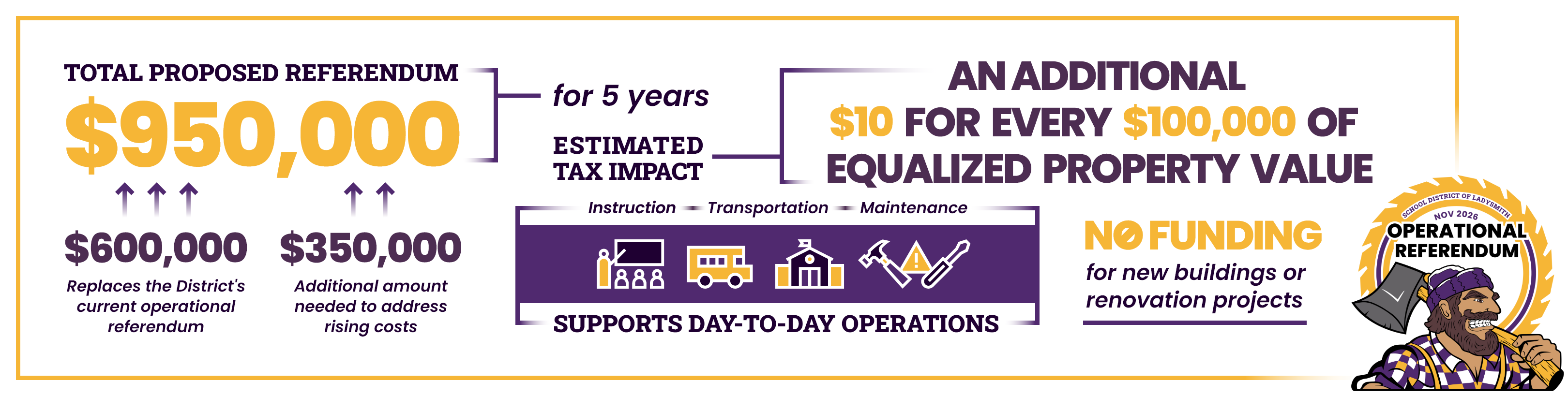
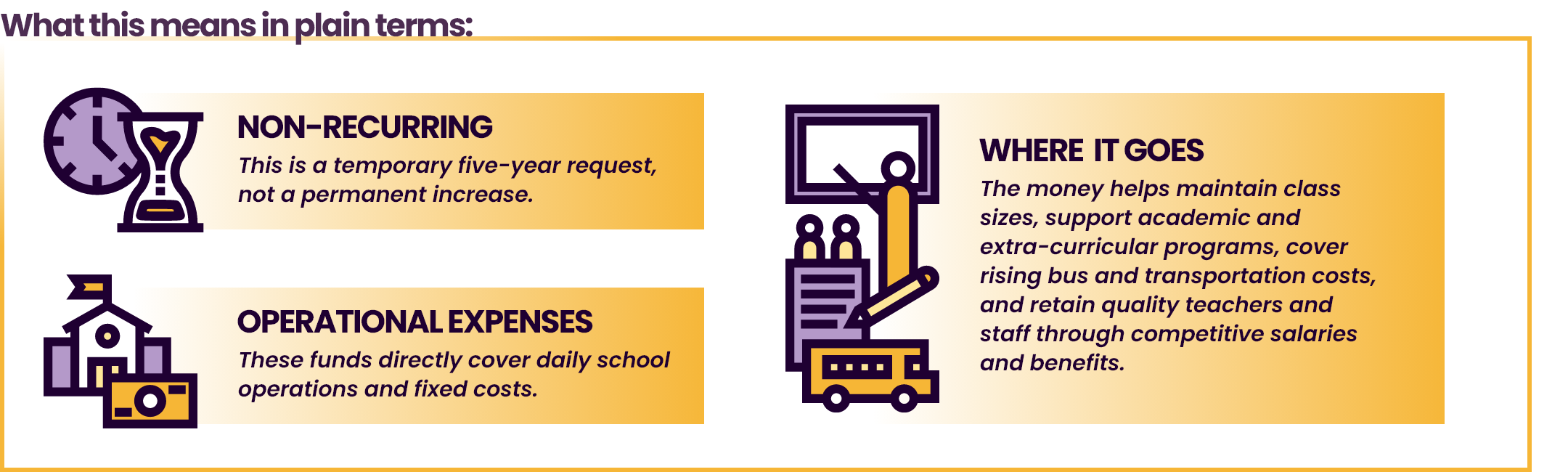
In November, area voters will be asked to consider a non-recurring operational referendum that would provide $950,000 annually for five years beginning in the 2027-28 school year.
Our goal is to provide clear information so every community member can make an informed decision at the polls. We encourage residents to review the available resources and learn more about the financial challenges facing public schools in Wisconsin, the steps the District has already taken to reduce costs, and how the proposed referendum would support Ladysmith students and schools.
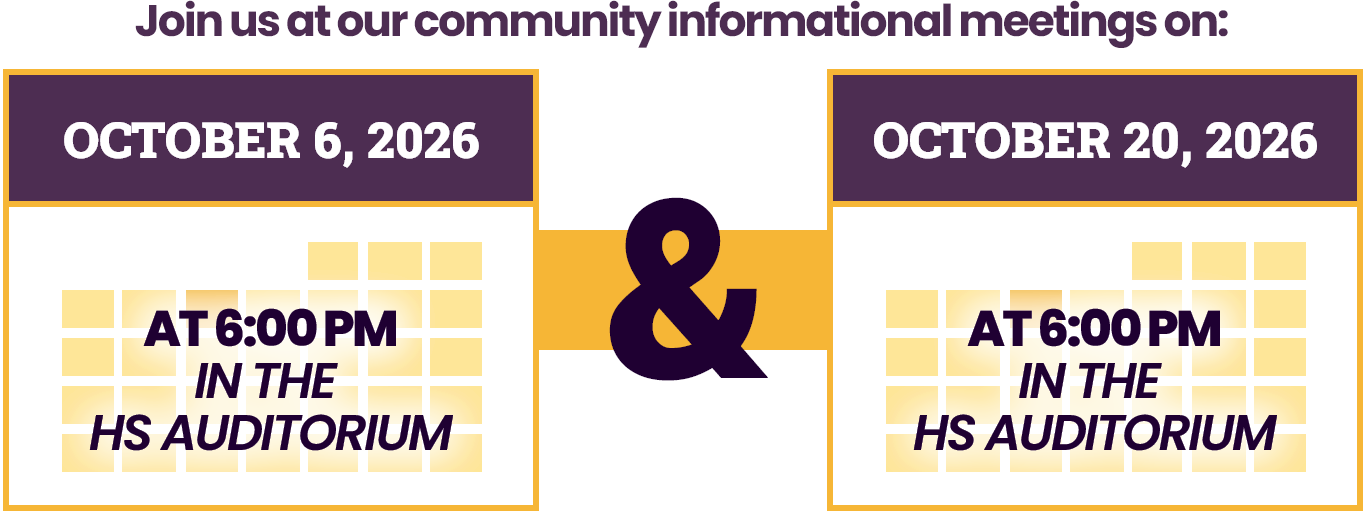
If you have any questions, please reach out. We look forward to continuing this important community conversation.
Watch the video below to learn everything you need to know about the upcoming referendum in just three minutes!
In Wisconsin, school districts operate under state funding limits that determine how much revenue they can receive from state aid and local property taxes. While the cost of running schools continues to rise, funding has not kept pact. At the same time, many rural districts, including Ladysmith, have seen enrollment decline, which can reduce the resources available to support students.
It is no secret that public school funding can be confusing!
The District has taken a proactive approach to managing these fiscal challenges and stretch taxpayer dollars.
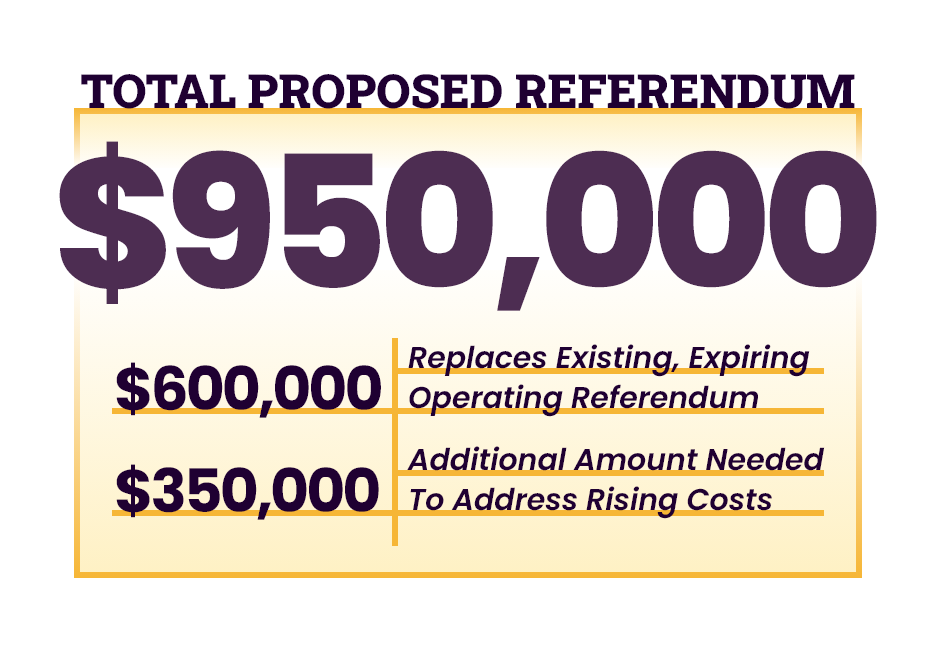
The District’s current operational referendum provides $600,000 annually and expires at the end of this school year. While that funding has helped maintain programs, services, and opportunities for students, rising costs continue to outpace revenue. Additionally, the District is no longer receiving any COVID-10 relief funding (previously $350,000 annually). As this current referendum is set to expire, the District is now asking the community to consider a new operational referendum, which would provide $950,000 annually for five years.
We distributed a community survey in May 2026 where we asked the community about several referendum options – the $950,000 annual amount received the most support.
The new operational referendum would replace would replace the District's current $600,000 non-recurring operational levy, which expires at the end of the 2026-2027 school year. The proposed levy includes the existing $600,000 and adds $350,000 to reflect increased operating costs, for a total of $950,000.
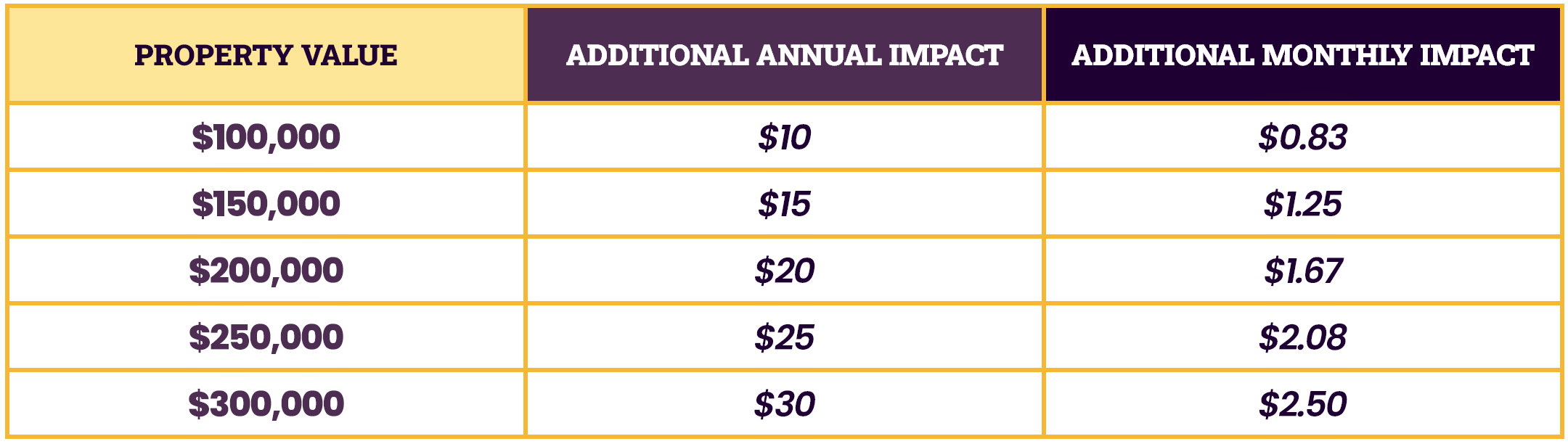
Estimated tax impact of the additional $350,000: $10 per year ($0.83 per month) on a $100,000 property beginning in 2027-2028. Note on Property Values: Tax estimates are based on equalized (fair market) values. You can check your property tax statement for your home's estimated fair market value.
Reduced middle/high school administration from two positions to one
Left a district office position unfilled and absorbed duties
Reduced classroom staffing positions by four full-time positions
Adjusted insurance plans to manage cost increases
Partnered with neighboring districts to share services
Delayed non-essential building maintenance
Extended the replacement cycle for technology devices
While no financial decisions have been made at this time, the District would be forced to consider the following:
Increase class sizes by reducing staff
Reduce student support programs
Reduce course offerings and options
Defer maintenance and technology work
Compensation and benefits would fall behind for our region
Need to short-term borrow funds which increase interest costs
Deplete fund balance (empty our savings account)
No. The district has clean audits and strong financial oversight. Schools across Wisconsin are facing funding challenges, and many have used operational referendums to maintain programs and services.
No. Operational referendums are common in Wisconsin. Over the past 10 years, nearly 80% of districts have sought one, and more than half have been approved by voters. Many nearby districts rely on referendum funding to support their operations.
Special education is required by law but is not fully funded by the state. The district receives reimbursement for only part of these costs and must cover the rest from its general budget. This reduces funding available for other programs, staffing, facilities, and student services.
Expiration of the current operational referendum
Rising costs due to inflation
Inadequate state & federal funding
Increase in required services for students
Decline in school-aged population
It’s a Limit, Not a Check: The $325 per-pupil increase is the maximum ceiling a district can increase its revenue, not guaranteed cash from the state.
The Funding Shift: If state aid doesn’t increase (as the 25-27 biennial budget calls for), the $325 increase in revenue limit forces the difference to be made up through higher local property taxes.
Inflation & Costs: This increase is insufficient to keep up with inflation, rising operational costs, and declining enrollment, so it requires districts to continue to make cuts and/or ask for more via referendum.
Calculation Method: Revenue limits are based on a three-year rolling average of student enrollment (third Friday in September + 40% of summer school FTE).
Context: While the 400-year veto ensures this adjustment, it does not guarantee the state will provide the money, often making the local property tax levy the primary source.
In summary, the $325 is authorized spending authority, not a direct state payment.
Operational referendums allow school districts to exceed their state-imposed revenue limits, which cap what districts can collect in revenue through general aid and property taxes. These funds may be used for operational costs such as staffing, equipment, and services.
An operational referendum is different from a capital referendum, which allows school districts to borrow money for construction, renovation, or other building projects. Capital referendum debt is typically paid off over a specific length of time, and those funds cannot be used for operational expenses.
No. The revenue limit controls how much revenue a school district is allowed. State aid is determined each year under a State formula that considers the district’s operating expenses, enrollment and property valuation. The State notifies the School District of how much of the revenue is coming from the State and the remainder comes from local property taxes. State aid is used for property tax relief and not as additional revenue for the school district. If a district receives less aid, taxes go up. If a district receives more aid, taxes go down. Neither scenario gives the district more revenue. The State aid formula is subject to legislative changes every two years as part of the State’s biennial budget.
Fund balance is not like a “savings account” whereby money stays in an account and only used if a withdrawal is made to pay a bill. Fund balance is a working account that is used daily to pay the District’s operating expenses when other revenues, like property taxes, state and federal aid, have not been received. It behaves like a school district’s internal line of credit. Large reductions in fund balance can impact the financial future of the District, requiring larger cash flow borrowings, risking a downgrade in the District’s bond rating resulting in higher interest rates on borrowings, and limiting funds in reserve for emergency situations. If the District did use fund balance instead of going to referendum, the entire fund balance would be depleted by the second year, jeopardizing the future of the District’s existence.
The Board’s decision follows a community survey conducted back in May 2026. Residents were asked about several referendum options, and the $950,000 annual amount received the most support. The District’s current operational referendum, which provides $600,000 annually, expires at the end of this school year. In addition, federal COVID relief funding that supported school operations has ended. Even with budget cuts and spending reductions already occurring, not going to referendum would negatively impact our educational environment.
Consolidation requires multiple communities to come together. A school district consolidation is not a decision Ladysmith can make on its own. It would require significant cooperation among multiple independent school districts and the communities they serve, including cities, villages and towns. Each community has its own priorities, history, identity and expectations for its schools. A responsible consolidation process would take years, not months.
Before determining whether consolidation should even be pursued, the participating districts would need to develop a shared vision and strategic plan and conduct extensive analysis. That work would need to consider:
Financial feasibility: Would consolidation actually produce sustainable savings? What happens to tax rates, existing debt, state aid, staffing costs and facilities?
Educational impact: What programs and opportunities could be maintained, expanded or lost? Where would students attend school?
Facilities and transportation: Which buildings would operate? What would transportation routes and student travel times look like?
Mission and governance: Can the communities agree on what the new district should prioritize and how it should be governed?
Community and cultural fit: Three districts have different histories, traditions and community identities. A successful consolidation requires more than a financial case; the communities have to determine whether they can build a shared identity and vision for education.
Consolidation may be worthy of future study, but it is not an immediate solution to the District's current financial needs. A responsible process would require cooperation among multiple communities, significant analysis and long-term planning before anyone could determine whether consolidation would be financially, educationally or culturally beneficial.
The District has already made years of behind‑the‑scenes cuts to avoid affecting students. If the referendum fails, the District will need to make significant cuts, which will include laying off staff and increasing class sizes, and eliminating or reducing programming (including co-curriculars), all which will have a negative impact on the District’s current momentum to improve academic outcomes and address school culture and sense of belonging. The following options would have to be considered:
Increasing class sizes by reducing staff members
Reducing student support programs
Reducing course offerings and options
Deferring maintenance and technology work
Compensation and benefits would fall behind for our region
Need to short-term borrow and deplete fund balance to meet financial obligations (increases interest costs)
Most likely return to voters in Spring 2027
Official ballot language can sound complex, so we want to break down what you will see one the ballot for the November election.
The Question:
"Shall the School District of Ladysmith, Rusk County, Wisconsin be authorized to exceed the revenue limit specified in Section 121.91, Wisconsin Statutes, by $950,000 per year for five years, beginning with the 2027- 2028 school year and ending with the 2031-2032 school year, for non-recurring purposes consisting of maintaining current educational programs, student services, and general maintenance?"
Lean more about the operational referendum and ask questions!